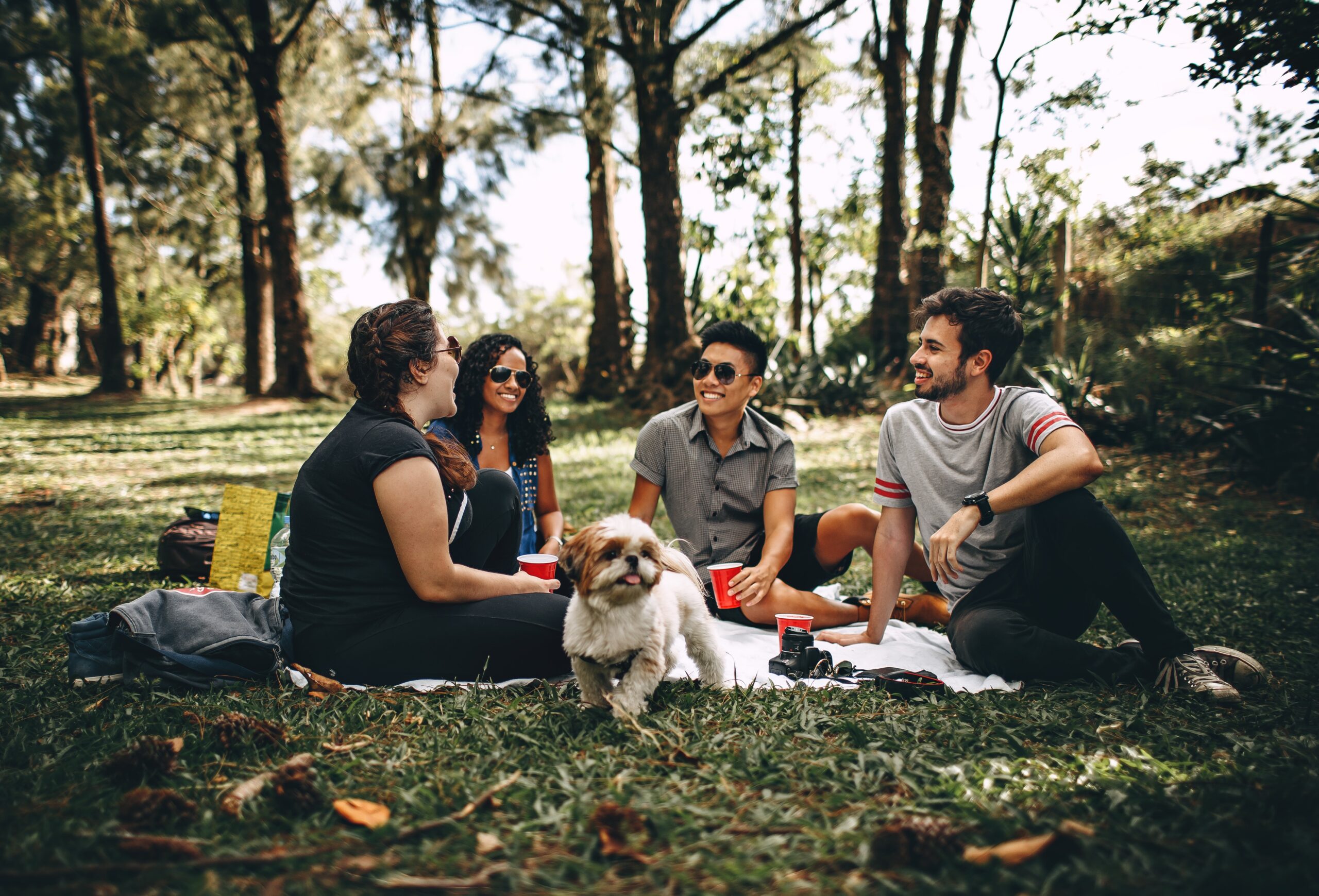
I have long thought about the possibility of a space – sacred, something I can call my own, but shared with a community. A community not necessarily of like-minded people, but of shared intention. A space so safe and aesthetically pleasing, with vanilla-scented candle filling up the air and make it irresistible, yet so utterly relaxing. A place where ideas can be thrown about without judgement, happiness can be shared without envy. Also, a place where people can share dreams and ideals. I yearn for a place where people congregate and talk about their hopes and wishes without snide remarks, condescension or the need to correct or educate.
I grew up with a couple of such spaces – not necessarily aesthetically pleasing or filled with vanilla-scented candles but each of them pleasing to certain senses in their own little or big ways. The dance studio, perched on top of a little hill, housed in a black-and-white styled building of colonial remains, surrounded with beautiful old trees, where habitats of birds and squirrels reside. Or the English Club’s reading room in school, where I was pretty much the residence of for good four years. The sounds of music, thuds at the end of jeté or people talking, discussing, bantering and laughing still stays vivid in my mind. I often wonder, what happened to these safe spaces or what we now know them as the Third Place?
What is Third Place?
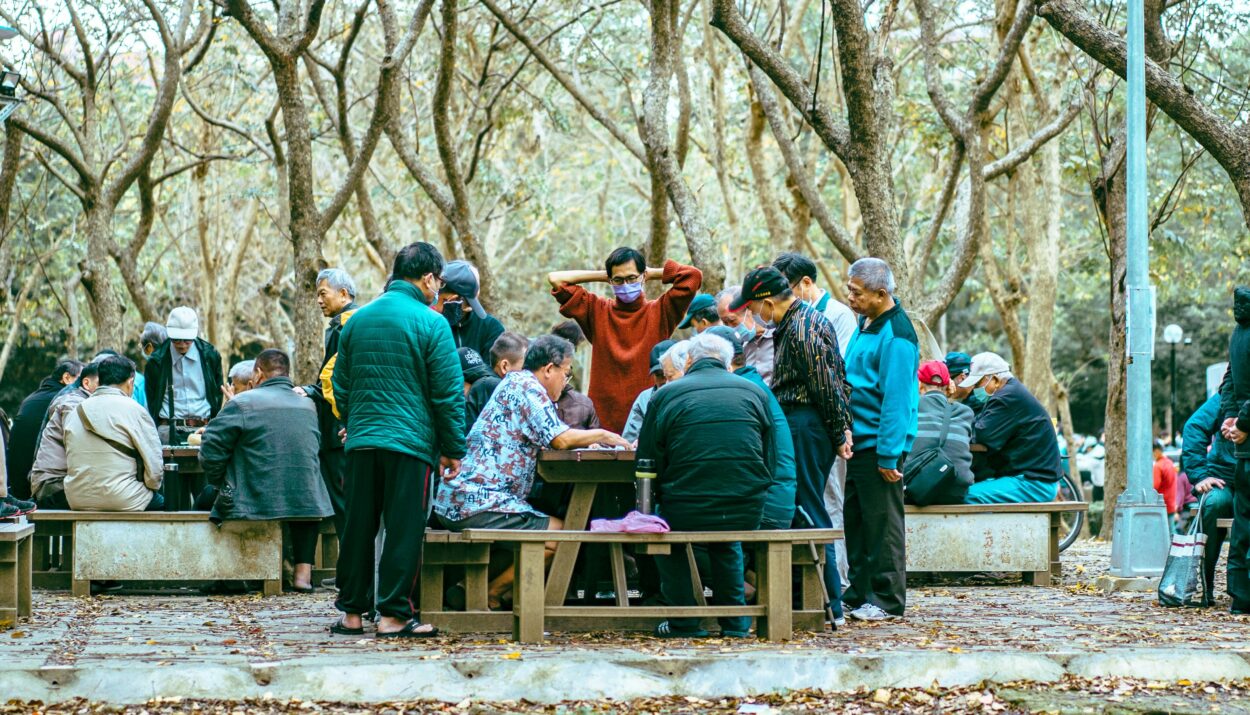
Third Place is a social environment, away from home. Home is seen as your first place, while work or school as your second. A Third Place is a space where one can go to relax, have conversations, indulge in a passion or simply just sit and stare at the walls because that is what is what a Third Place is for. In a Third Place, people gather for community, relaxation and connection. In the UK, pub-life is a common thing. Men and women get together regularly, have a couple of beers (or tea), exchange stories and they leave.
In Singapore where I grew up, neighbourhood coffeeshops are Third Places for many. I recall the many weekend afternoons when my dad would take my brother and I, as we strolled down to the neighbourhood coffeeshop. Dad will order his favourite local coffee and Lopes, the sticky steamed triangular-shaped glutinous rice cake, covered in dessiccated coconut, drizzled with the gorgeously thick palm sugar. For us, it will always be a cup of hot Milo, a chocolate beverage. He will then pull his chair over to the table where his friends were seated. They exchanged anecdotes and gossips, while us children played happily with the other kids at the playground adjacent to the coffeeshop. From afar, bouts of laughter and excited voices from our fathers can be heard. This scene will forever be etched in my mind.
The term Third Place was coined by sociologist Ray Oldenburg where he reiterated these, often low-cost, neutral locations include coffee shops, libraries, parks and community centres. Third Place is a place of fostering social interaction and a sense of belonging.
Third Place is not to be mistaken with the term Third Space. While Third Place is a physical place one goes to, Third Space refers to a broader concept, often digitally – where culture and social groups or communities interact.
In this day and age, with rampant technology use, those born after the year 2000 might not even know or heard of the idea of a Third Place. Their time has been largely hijacked by technological gadgets; apps, online movies or gaming. While one might argue that online meet-up is a modern way of building virtual Third Places, I personally think the idea of online meet-ups in this instance, defeats the purpose of being physically present in spaces where presence matters. Moreover, even though our lives are filled with myriads of virtual coffee dates, online meetings, digital conferences, there are still many things in life that warrants a face-to-face connection.
Physical meet-up is a multisensory, deeply nuanced experience that fulfils biological and psychological needs for connection, trust and understanding. Convenience might be the aim of digital communications, however, it lacks the rich, nonverbal cues such as body language, eye contact and tone of voice. These account for the majority of human communication, lacking which, often lead to misunderstandings and shallower emotional connections.
Also, online meetups and gatherings have largely lost their novelty post 2021 pandemic-era. What evolves from necessity and exciting phase, turns into a routine. This can sometimes be a draining part of modern life and a counter to that is our physical human connection. Studies have found that conversations and laughter are profound and interrelated forces that significantly impact our human psyche – acting as social lubricant and potent natural therapeutic mechanism for mental well-being.
Third Places need to be seen as a necessity, more than an indulgent. Real and authentic conversations open up minds. Human touch improves trust and social bonding and coffee shared between friends in the warmth of a room helps with stress, boosts mood and fosters emotional connection.
In an increasingly digital world, the simple act of sharing a table, a conversation and a cup of coffee may be one of the most powerful ways we remain human.