Why Relaxing Feels Unproductive Now
There was a time when hobbies were simple; you painted because you liked colours, played guitar because it sounded good, baked because it made your house smell homely. There was no audience, no strategy, no expectation beyond enjoyment. Somewhere along the way, that changed.
Now, hobbies come with a lingering question; could this be something more?
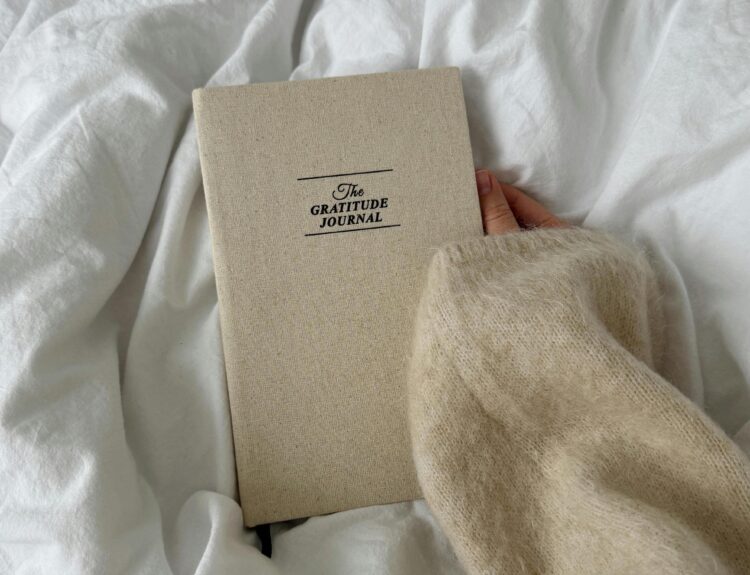
Scroll through any social platform and it’s easy to see why. The person who started crocheting ‘just for fun’ now runs a small business. The casual photographer sells presets. The girl who journals posts aesthetic spreads and launches a digital planner. What used to be downtime is now framed as opportunity. And if you’re not turning your hobby into something productive or profitable, it can start to feel like you’re falling behind.
This is the peculiar guilt of modern leisure; the feeling that if something brings you joy, you should be doing more with it.
At the core, this guilt is tied to how we’ve redefined productivity. It’s no longer just about school, work or responsibilities. Productivity has infiltrated into our personal lives, creeping into spaces that used to be reserved for rest. Relaxation itself is now something to optimise. Hobbies are evaluated based on output; what they produce, who they reach or how they could grow.
The idea sounds harmless at first. Why not turn something you love into something meaningful? Why not share your talent with others? For some people, monetising a hobby can be fulfilling. It can create independence, build confidence and open doors.
But what’s often left out of that narrative is what gets lost in the process.
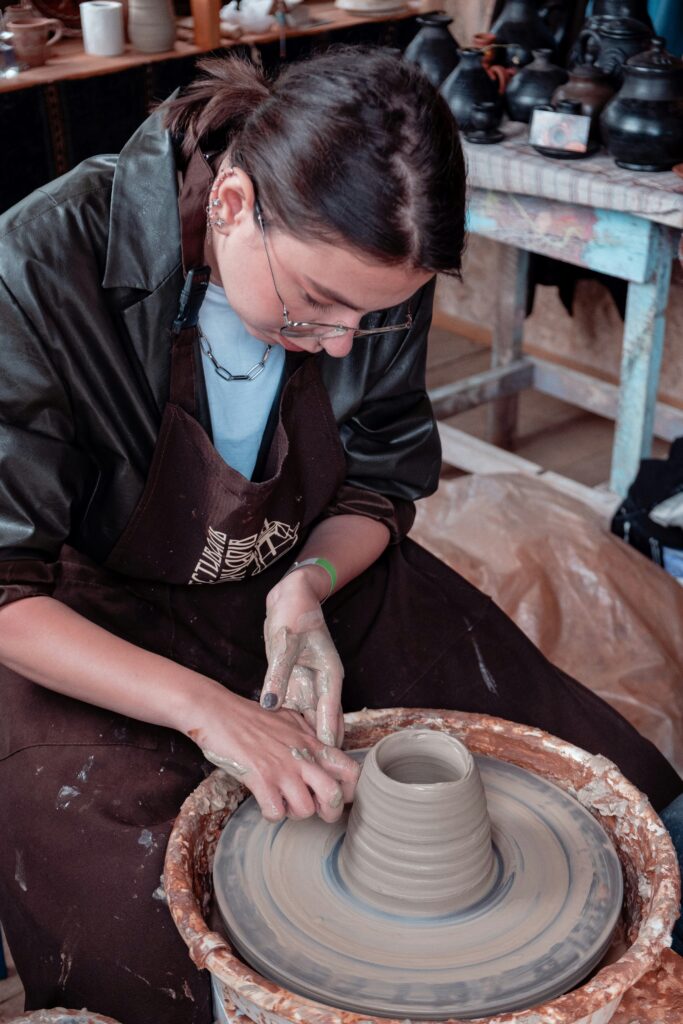
When a hobby becomes a source of income or validation, it changes the essence of it, the pressure shifts. Instead of asking, “Do I feel like doing this today?”, you start asking, “Should I be doing this?”. The freedom that once defined the activity slowly gets replaced by expectations; deadlines, consistency and performance. Something that was a recharge, begins to drain you.
And even if you don’t take that step, just being surrounded by people who do can affect how you see your own choices. It creates a subtle comparison. If they’re building something with their hobby, what are you doing with yours?
This is where guilt creeps in. Not because you’re doing anything wrong, but because the environment around you has changed the rules.
There’s also a deeper layer to this; the fear of ‘wasted potential’. You might genuinely be good at something, and that makes it harder to leave it as just a hobby. It feels like you’re underusing your abilities, like you owe it to yourself (or others) to take it further. Enjoyment alone starts to feel like an insufficient reason to continue.
But that idea; that everything valuable must be productive, is worth a ponder.
Not everything in your life needs to be optimised and not everything needs to lead somewhere.
Hobbies serve a purpose that productivity can’t replace; they create space and they give your mind a break from constant evaluation. They let you exist without measuring your worth through output. When you remove that pressure, you allow yourself to be present in a way that’s increasingly rare.
There’s also something important about doing things that don’t end in accolades or otherwise. Not everything needs an audience and not everything needs to grow. Some things can stay small, private and imperfect; and that’s what makes them meaningful.
Letting a hobby remain ‘just a hobby’ isn’t a lack of ambition. It is a choice to protect a part of your life from becoming transactional.
Of course, this doesn’t mean you should never pursue something further if you genuinely want to. The key difference is intention. Are you expanding your hobby because you’re excited about it or because you feel like you should? That distinction matters more than it seems.
If the pressure disappeared, if no one could see what you were doing, if there was no possibility of turning it into something bigger, would you still enjoy it? If the answer is yes, then maybe that’s enough.
In a world that constantly asks what you can produce, there’s quiet value in doing something simply because you like it. No audience, no outcome and no expectations. Just you, and the thing itself.
And maybe that’s not wasted potential at all. Maybe it’s something we’re starting to forget how to value.