Tell us about yourself, Datuk Ramli Ibrahim.
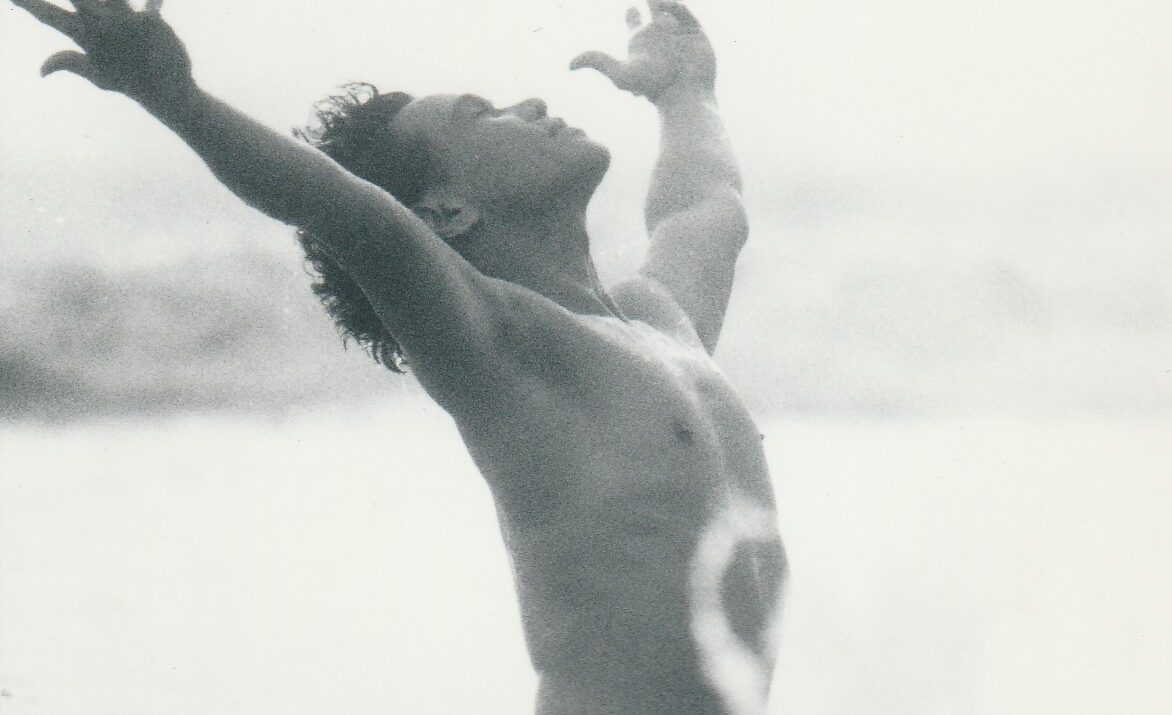
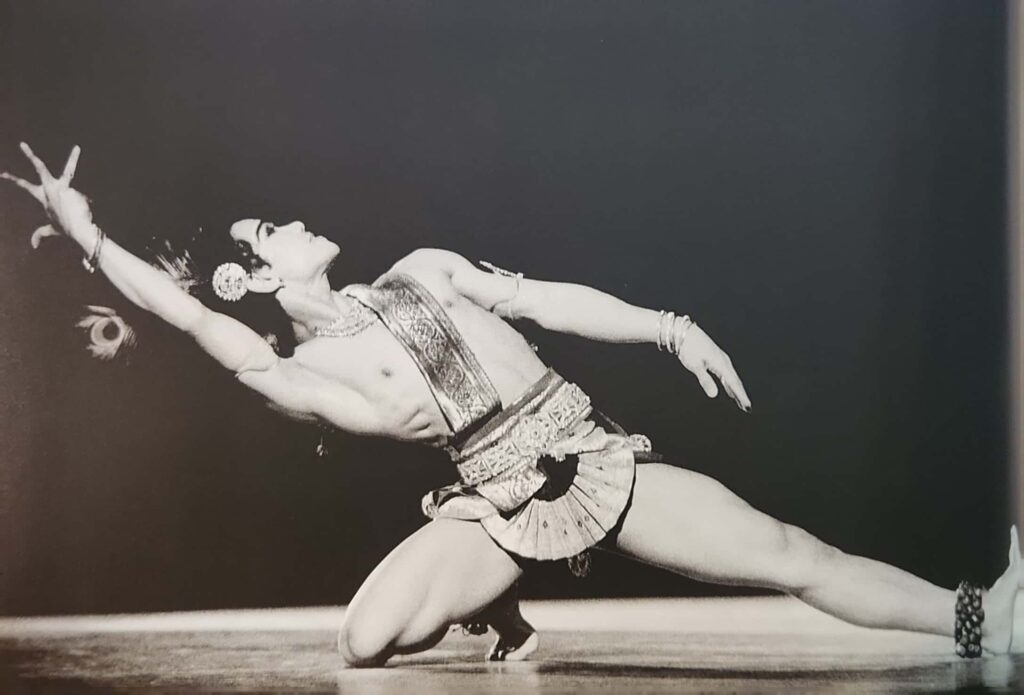
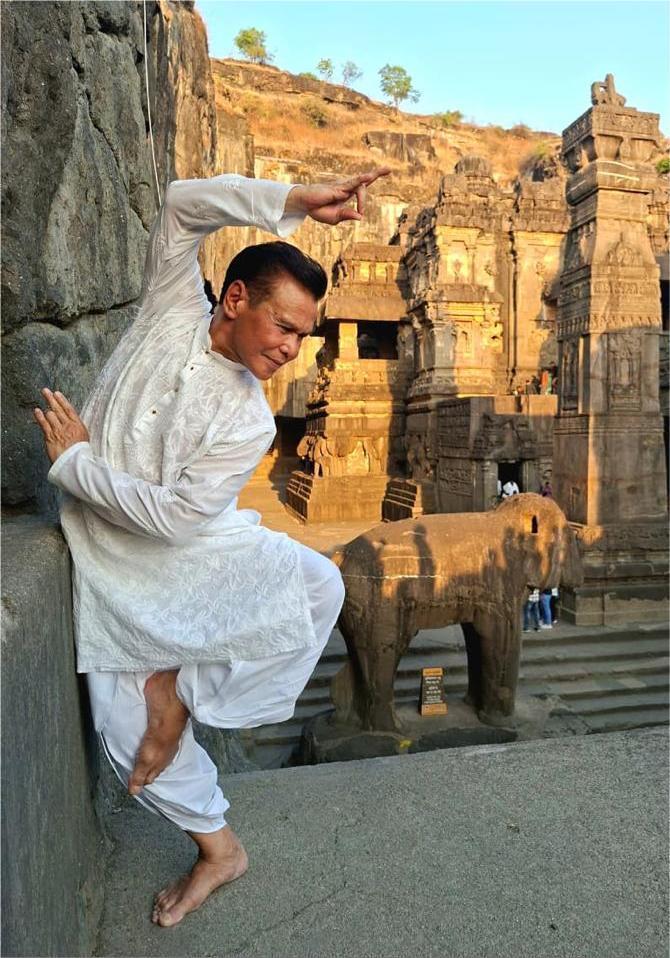
Presently I am Chairman of Sutra Foundation. I am essentially a dancer and choreographer, trained in ballet, contemporary modern and Indian classical dance – simultaneously specialising in two Indian classical dance forms, Bharatanatyam and Odissi.
Nowadays, I mainly function as an artistic director and choreographer and don’t dance as much as I did once upon a time.
When and how did you first decide dance is what you want to do?
From the very beginning, I had always known I was artistically inclined. I was born with an inherent artistic temperament which was even recognised by my family but my artistic talents were not cultivated. I was a good scholar and eventually landed in the prestigious Royal Military College where my inherent artistic talents had to further take a back seat. When I was awarded a scholarship to Australia to further my studies, I ‘escaped’ the structure of what I should and should not do – and explored all that suppressed pent up talent and trained seriously to be a dancer.
As a Malaysian-Malay man, born in a Muslim country and being part of a predominantly Hindu-art and dance scene, has this ever been a challenge for you?
It has been a challenge all the way – till now! When I was a young dancer, I regarded it a privilege to be a dancer and never think of money or how I would deal with my future where money is concerned, if I became a dancer. Actually, to be a professional dancer is tough anywhere. What more to be a male dancer and a Muslim at that! On top of that, one who specialises in ‘Hindu’ Temple dance – this makes it even more complex and challenging, at all levels!
If you have not been a dancer, which path will you have taken?
I find this a tough question as I find it almost unthinkable. If I had not been a dancer, I would have been an unfulfilled person in whatever I would be doing. Knowing my character, most probably, I would have been a rather cynical and destructive person, had I not dance.
Datuk Ramli, you’ve had the world premiere of Radhe! Radhe! ended in October 2025 and you are now set for the second season in Malaysia come April. Tell us how the idea of Radhe! Radhe! first come about.
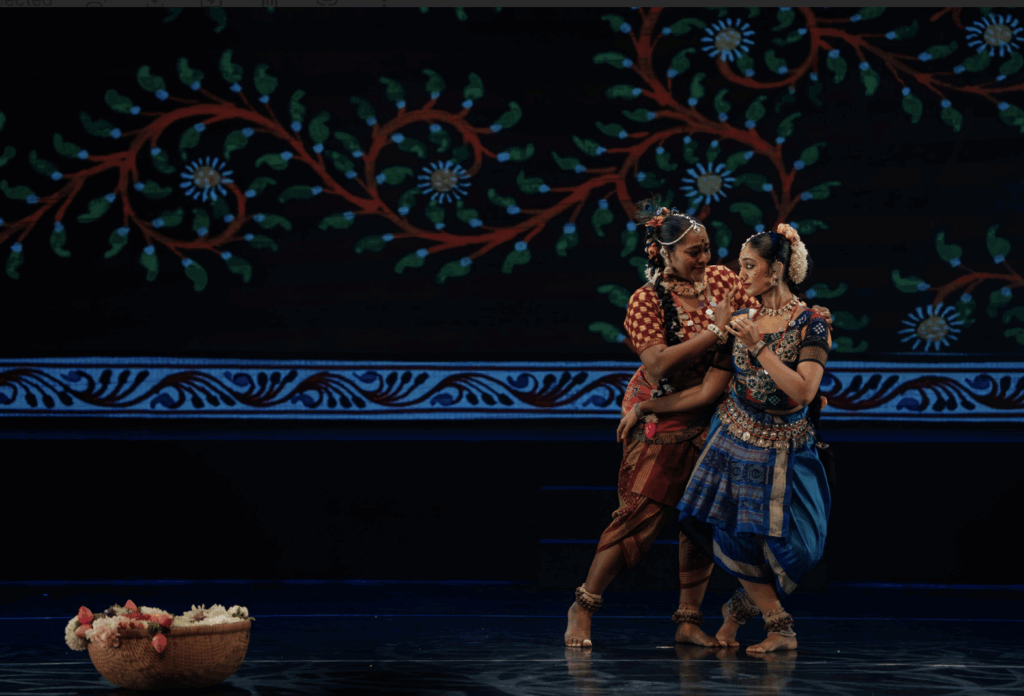
Radhe! Radhe! was inspired by an indigenous folk form, called Radha Prema Leela, still existing in a village of Ganjam, South Odisha. Ganjam, is a culture-rich region of Odisha where I had spent much time over two decades pursuing the creative trail of Odissi. Together with my ‘Guru-bhai’ (Guru brother) Gajendra Panda, who was from Ganjam, we collaborated on a number of productions inspired by the vibrant performing arts of this fascinating district. Ganjam’s traditional music and theatre forms offer a mine of vibrant culture and source of inspiration for new ideas. We are fortunate to have heeded the advice of our mentors, the late Dr Dinanath Pathy and Guru Debaprasad Das, who told us that we should look at Ganjam for inspirations when we want to create new Odissi productions. Looking back, our research was a kind of independent dance anthropology. In fact, Radhe! Radhe! is the fourth production which Sutra had created inspired by the folk forms of Ganjam.
Radha is often portrayed as the embodiment of longing and devotion. In Radhe! Radhe!, how did you reinterpret Radha for contemporary audiences while remaining faithful to the emotional depth of traditional Odissi?
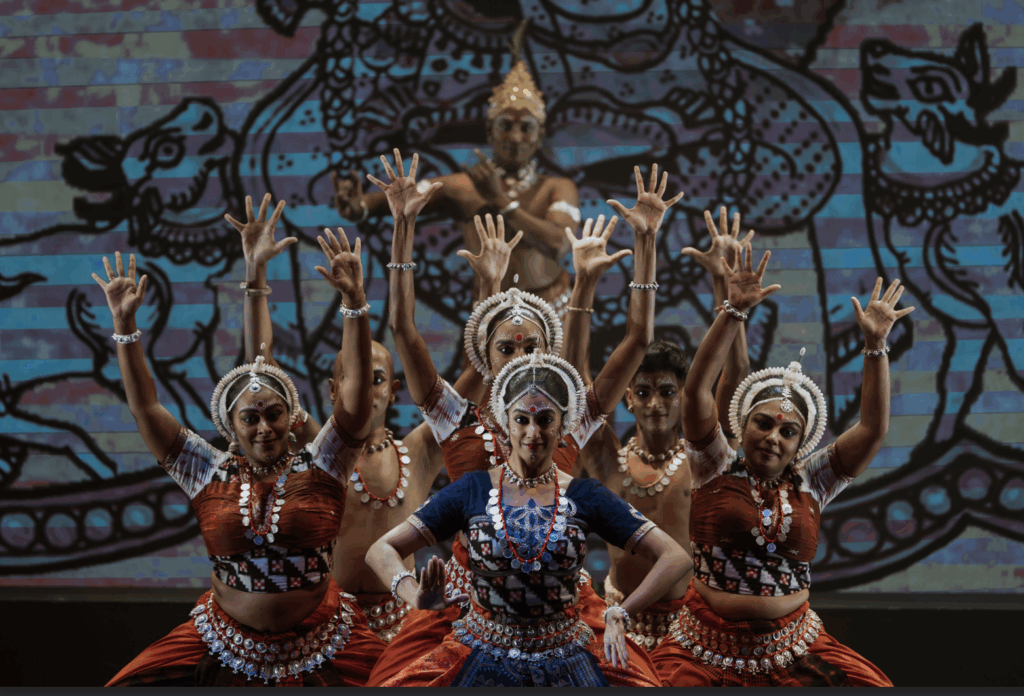
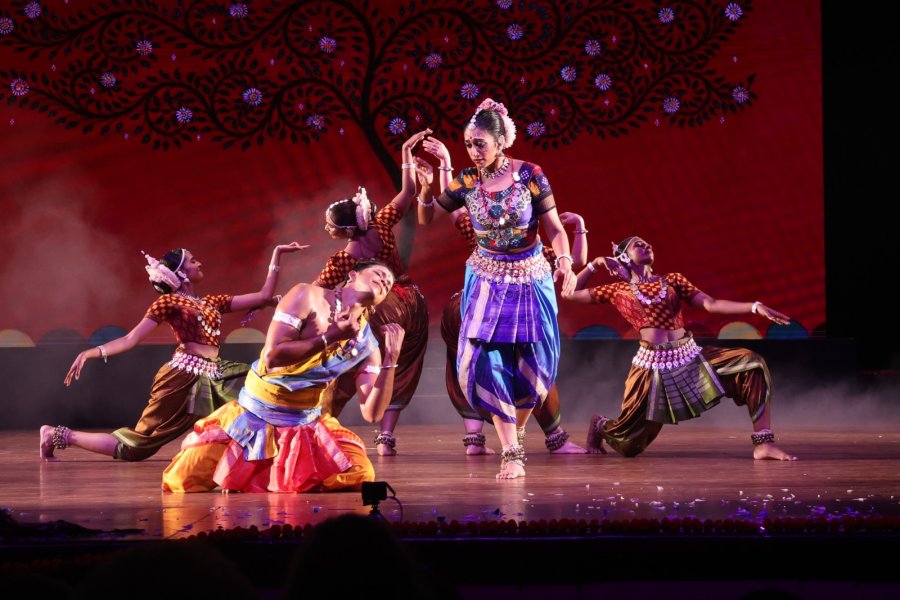
In Radhe! Radhe!, the Radha-persona is the central figure of our interest though, of course, Krishna is always there. The transference of the folk form from its rustic setting to the contemporary stage needs the judicious incorporation of all paraphernalia and sophistication of modern theatrical devices such as: authentic costumes; a curated traditional ‘Patachitra’ painting specially projected on LED screen for Radhe! Radhe! specially commissioned to a Patachitra master, artist Bibhu Patnaik; lighting design from our talented lighting designer, Sivarajah Natarajan; the transformation of the folk melody of Radha Prema Leela into the acceptable ‘classical’ musical mode of Odissi, which was the input of Pandit Gopal Panda; to eventually having both Gajendra and I re-composing the dance itself, transforming the vocabulary and spatial use to a more exciting and dynamic contemporary formations. Right from the start we never wanted to replicate the original folk form.
The emotional depth, or ‘rasa’, is universal. The passionate love of Radha for Krishna, Krishna’s distraction with other gopis, and Radha’s sulk, deep hurt and unwillingness to forgive Krishna are universal ‘rasa’ that every individual has experienced.
The production explores the mystico-erotic dynamic between Radha and Krishna. How did choreography help translate this deeply philosophical relationship between the individual soul and the universal spirit into movement?
The love relationship between Radha and Krishna has always been portrayed in a mystico-erotic dynamics. This is how the Universal Spirit, which has been metaphorised in the personality of the pastoral god Krishna, is brought to the ‘human level’ by the bhakti poets, through his ‘Leela’ or Divine Play. This is expressed fundamentally, through the expression of devotion for Krishna, into the more accessible expression of human love during his ‘Leela’. Verily, this can be enjoyed by the ordinary devotees. This shringara/love bhakti became the rage and inspired a whole movement of bhakti-poets during mediaeval times to create not only a unique mystico-erotic tradition in literature and poetry but also in traditional music and visual arts. Odissi’s lyricism and sensuality lends itself the perfect vehicle to portray this mystico-erotic message central to the story-telling tradition of Indian arts.
The work draws inspiration from the folk dance-drama traditions of Ganjam. What moments during your research in South Odisha most profoundly shaped the artistic language of the production?
The actors of the traditional Radha Prema Leela were all young teenagers who performed their roles with innocent passion and energy. The music, too, was very intense. Traditionally, they simultaneously sang as well as dance in their story-telling theatrical manner. The young performers had to compete for attention as a few hundred meters away, was another troupe performing a different folk form. And so they had to be good and convincing.
I think the folk energy and earthiness profoundly affected and shaped the manner we approached our re-interpretation of the rustic form. Like white rice or white bread, which look good but there is a dearth of food content, we find much of the recent contemporary works of Odissi, created in the safe studio lack this authenticity and earthiness of the folk form which had inspired it in the first place. The music and movement have become ‘intellectual’ and artificial. There is a dearth of earthy folk energy in much of the present contemporary Odissi creations which once gave the ‘classical’ forms its authenticity.
In Radhe! Radhe! we want to go back to this source.
Odissi traditionally draws heavily from temple traditions and sacred storytelling. In developing this piece, how did you balance reverence for tradition with the need to keep the form evolving?
I guess here we need to know the rules before we attempt to navigate through the tradition to achieve a form that is true to its original spirit. But having said that, I believe that there is ‘modernity’ even within a tradition. Tradition is never static and it tends to die in a museum as mere display. However, any innovation must adhere to the precept laid down by the tradition. Though the word ‘mystico-erotic’ description sounds very ‘avant garde’ but the way this is conveyed in traditional forms is very subtle and sophisticated. It is not vulgar and one has to be a ‘rasika’ to appreciate the manner and depth how this is conveyed. Otherwise, one would miss it altogether. I have to be very sensitive to these situations and not transgress the finesse and sensibility of the tradition.
At its heart, Radhe! Radhe! is about longing, surrender and divine love. What do you hope a young, multicultural Malaysian audience ultimately takes away from this ancient story told through dance?
How much have we profoundly really changed? Essentially, even our love songs have survived over the millennia saying the same thing! At the same time, have we become more ‘civilised’ or have we descended into an era where ‘vulgarity’ is commonplace and accepted as the norm? Longing, jealousy, surrender and love are fundamentally timeless ‘rasa’ (emotional states) which still fuel the essential human concerns. A young, multicultural audience would not only identify with Radha’s plight and finds resonance with his/her own concerns or even ‘fixations’. Hopefully, he or she will sympathise with Radha’s eventual surrender to accept Krishna’s peccadillo and ‘misdemeanour’, shedding off her ego to find the wisdom of ‘surrendering’ their negativity of possessiveness and embrace ‘love’ in all its many splendoured inclusivity.
What’s next for Datuk Ramli Ibrahim?
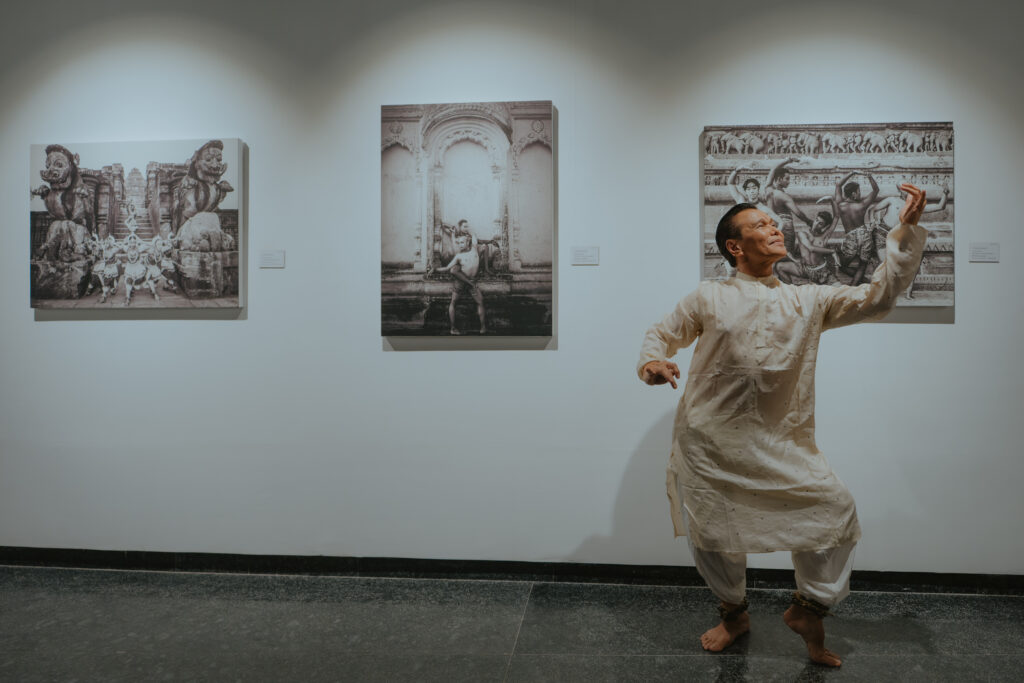
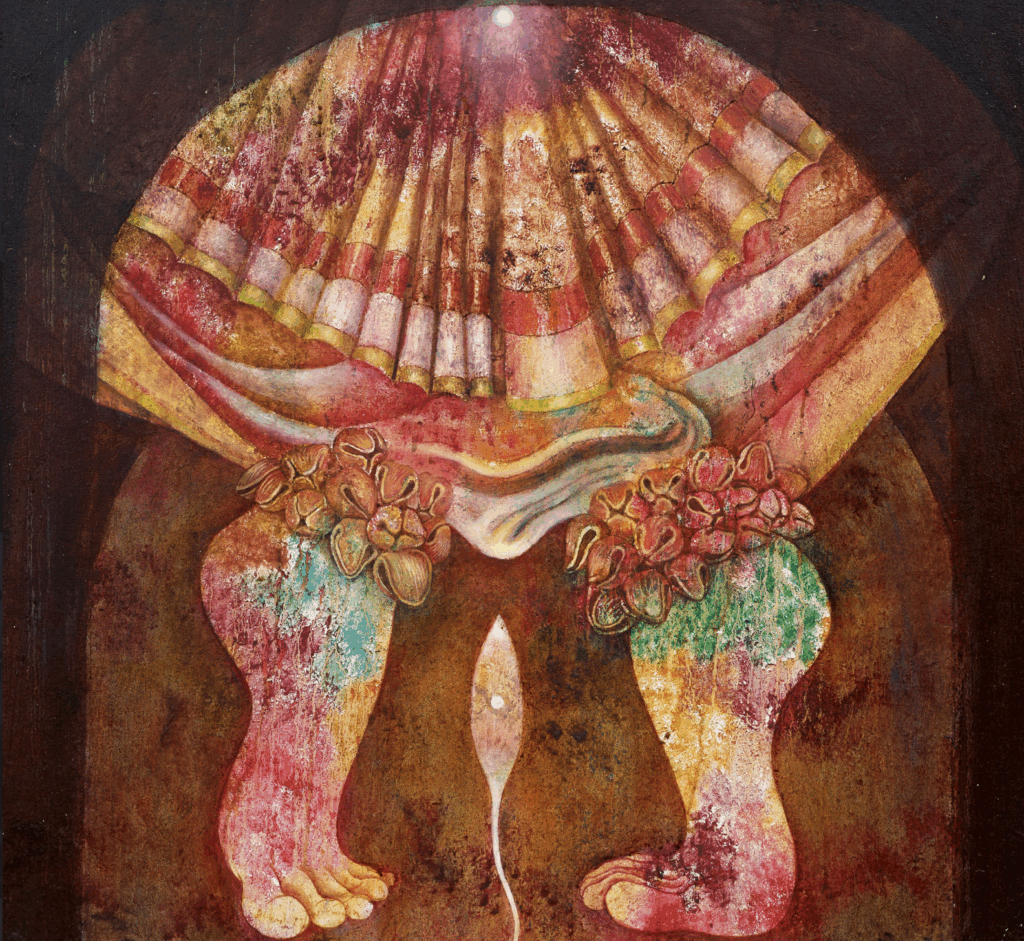
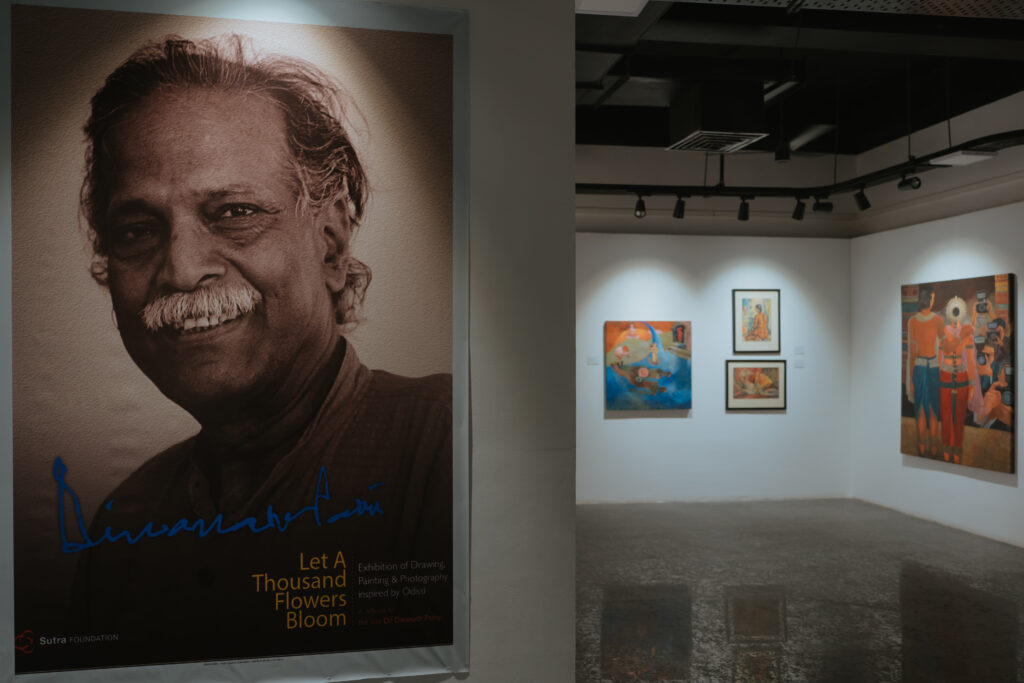
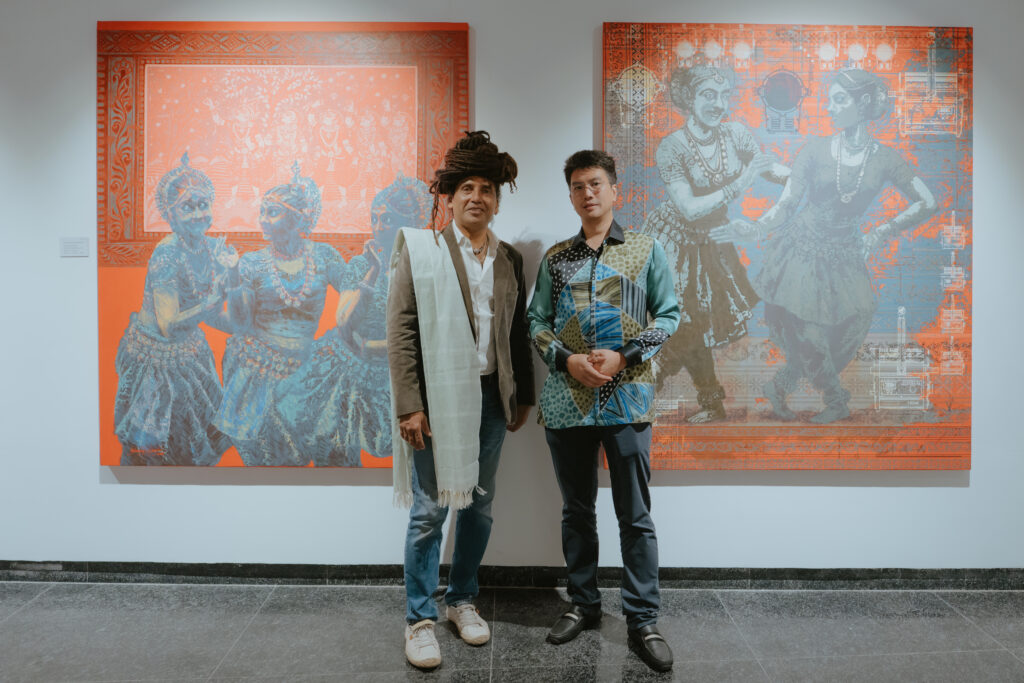
A major exhibition of Photography & Paintings titled ‘Let a Thousand Flowers Bloom’, the last leg of a travelling exhibition comprising works of 21 visual artists from Bhubaneswar, Chennai and Malaysia – inspired by Odissi.
This will take place in One Bangsar Gallery, on 25 April, 2026 at 6pm
Favorite book genre
Semi-Autobiografical Fiction
Best book you’ve read this year
Mother Mary Comes to me, Arundhati Roy
The last music you downloaded
Soeling Bamboe (Indonesian, Kerontjong Tempo Doeloe)
The music that changed everything for you
Gita Govinda by Raghunath Panigrahi
Things you’ll always have in your fridge
Fruits
Morning routine
Yoga – starting with Surya Namaskara
A typical day for Datuk Ramli Ibrahim
Morning administrative work, Lunch, Afternoon siesta and evening teaching dance at Sutra
What have you come to appreciate the last 2 years
To have a mindful housekeeping staff who can cook well and loves animals
Definition of success to you
Creativity without having to be restricted by mindless funding
Biggest inspiration comes from
Nature
One gadget you can’t do without
Mobile phone
Country you can’t wait to go back to
Either India or Indonesia
Favorite podcast(s)
I hardly listen to podcast
Something you’ve recently discovered.
Seedless kamquat
Philosophy in life
A dynamic arts and culture is vital in determining the human development index of a community and nation
Your style icon
Saloma
Best things about Malaysia
Diversity in food and the people
Favourite movie
All about Eve
Favourite quote and why
‘To be an enemy of the US is dangerous, to be a friend, is fatal’. Need I explain?
Do you journal and why
I don’t do journal. I’d rather spend the time gardening or playing with my pets
What’s in your glass and plate for afternoon tea
Filter coffee and something tangy and savoury
An indulgence you’ll never forgo
A good massage
Work of an artist you collect (or would collect if you could)
Helen Brahma or Chagall