
For too long, women’s experiences with menopause have been downplayed, misunderstood or brushed aside as an inevitable milestone rather than a significant health transition. Despite the profound physical and emotional challenges many women face; from sleep disruption and mood shifts to debilitating hot flashes, society often treats these symptoms as something to simply ‘push through’. Women deserve far better; informed care, open conversations and genuine support from the people around them. And men, in particular, have an important role to play by educating themselves, acknowledging what their partners are going through and sharing the load at home and in life.
This is where Menopause Asia, newly launched to support women in Malaysia and across the region, steps in. The initiative aims to close long-standing gaps in awareness, medical guidance and social understanding, offering women a reliable space to navigate this often-overlooked phase with clarity, confidence and dignity.
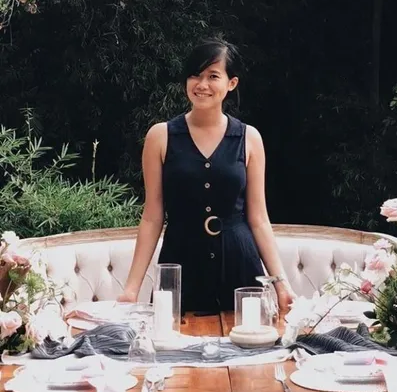
Fab! Luxe spoke with Co-Founder, Joanne Ho on menopause, symptoms and understanding the journey. Also, her mission, vision and dreams for Menopause Asia.
Tell us about Menopause Asia and what inspired the creation of it. Also, how do you plan to challenge the cultural taboos and stigma that often surround menopause in Malaysia and across Asia?
Menopause Asia was born out of my own experience navigating perimenopause. I was in my mid-40s when I started experiencing brain fog, mood swings, and sleepless nights – and like most women, I had no idea it was hormonal. What shocked me most was how difficult it was to find answers. That frustration became my mission.
Menopause Asia is Malaysia’s first dedicated digital platform for midlife health. It offers access to licensed physicians trained in menopause care, evidence-based education, and community support. Our goal is to normalise conversations around menopause and reframe it as a powerful, natural transition – not something to endure in silence. Through storytelling, education, and open dialogue in workplaces and media, we’re breaking taboos one conversation at a time.
Many women say they feel dismissed or misunderstood by healthcare providers when discussing perimenopause symptoms. How does your organization plan to work with the medical community to change this dynamic?
One of Menopause Asia’s key priorities is bridging the gap between women and their healthcare providers. Every consultation on our platform is designed to be comprehensive — up to 45 minutes — so doctors can truly understand the full picture instead of treating symptoms in isolation.
But changing the landscape goes beyond consultations. We’re also creating opportunities for continuous education and collaboration through webinars and informal “coffee sessions” with practitioners across midlife health. This includes not just doctors, but chiropractors who talk about pelvic floor strength, nutritionists, personal trainers, even cardiologists — because midlife care isn’t just medical, it’s about understand the whole woman – her lifestyle and her environment.
Our vision is to cultivate a more empathetic and informed healthcare community — one that listens, validates, and supports women with personalised, lifestyle-centred care.

In Malaysia’s diverse cultural landscape, conversations around women’s bodies can still be seen as a private matter. How do you navigate these sensitivities while promoting open dialogue and education?
It’s true — in Malaysia, topics like menstruation or menopause can still feel “off-limits.” At Menopause Asia, we use storytelling and education to make these topics accessible — often through real women’s voices and experiences. When someone hears a story that mirrors their own, the stigma starts to dissolve. We also frame menopause as a broader health and societal issue — not just a “women’s problem.” It’s a family issue, a workplace issue, and ultimately, a longevity issue.
Our aim isn’t to provoke, but to normalise. When we talk about menopause with empathy and fact, the conversation shifts naturally from taboo to truth.
Menopause experiences differ across socioeconomic and ethnic backgrounds. How will Menopause Asia ensure that its initiatives are inclusive and representative of women from all walks of life?
Inclusivity is something we’re learning and building toward. While our telehealth platform naturally reaches women beyond major cities, we’re also focusing on education as the great equaliser. Through public talks and training sessions about hormone health, we aim to help women become more body-aware — to understand what’s happening hormonally so they can make informed choices, whether or not they choose hormone therapy.
Women are often the pillars in their families and communities. By providing hormone health education, we hope to empower these pillars in societies to be able to thrive through midlife.
The psychological effects of menopause are often under-discussed. Will Menopause Asiaaddress mental health as part of its advocacy, and if so, how?
Absolutely. Emotional wellbeing is a huge part of the menopause experience — yet it’s often the most overlooked. Many women first notice the mood swings, anxiety, or sense of overwhelm before they even realise it’s hormonal.
At Menopause Asia, we believe you can’t separate mental health from hormonal health. We’re bringing together practitioners from different fields — nutritionists, mental-health therapists, and fitness trainers — to provide both education and practical support through online consultations and sessions.
Mental and emotional health are core pillars of midlife wellbeing. When women understand how hormones affect the brain and mood, they can take meaningful steps — from nutrition to movement to therapy — that truly support their long-term wellbeing.
There’s a tendency to reduce menopause to a list of symptoms. How are you working to redefine this life stage as a time of renewal, rather than decline?
We’re reframing menopause as a comeback story — not an ending, but a beginning. Once you understand what’s happening in your body, it stops being something to fear and starts being something you can work with.
At Menopause Asia, we focus on education and real conversations — not just about symptoms, but about what’s possible in this stage of life. Our Seen at Midlife campaign celebrates women who are leading, creating, and doing some of their best work right now.
This stage doesn’t diminish you. It refines you. With the right knowledge and support, midlife can be one of the most defining chapters of a woman’s life.
In many workplaces, menopause remains invisible. Do you see a role for Menopause Asiain advocating for policy changes or workplace accommodations for women experiencing menopausal symptoms?
Definitely. Women in their 40s and 50s are at the peak of their careers — yet many leave or scale back because they feel unsupported. We’re working with organisations to build awareness and integrate menopause into broader wellbeing and inclusion strategies.
This can be as simple as flexible work arrangements, temperature-controlled spaces, or manager awareness training. In the long run, we hope to help organisations create more supportive environments that recognise menopause as part of the natural working life cycle — not a reason for women to step back.

Men often play a crucial role as partners, employers or policymakers, in shaping women’s experiences. How do you plan to bring men into the conversation without diluting the focus on women’s needs?
We bring men in as allies. Whether as husbands, colleagues, or leaders, men play a huge role in how supported women feel during this transition. The goal is not to blame, but to educate — because when men understand what’s happening biologically, they respond with empathy instead of confusion.
Sometimes, the most powerful thing a man can say is, “I’m here for you.” That one sentence can change everything. It did for me — it gave me the space to feel heard instead of “being fixed.” That kind of safe space is what inspired me to launch Menopause Asia in the first place. When men understand and support women through this transition, it changes families, workplaces, and cultures. And that’s where real change begins.
The internet is filled with conflicting advice and ‘miracle cures’ for menopause symptoms. How will Menopause Asia position itself as a credible, science-based resource for women seeking clarity?
There’s a lot of noise out there — quick fixes, miracle creams, and confusing advice. We’re not here to add to that. Menopause Asia was created to make information clear, not complicated.
We connect women directly with licensed physicians who are trained in hormone health and menopause care — doctors who take the time to listen, explain options, and provide personalised menopause care.
Our role is to educate, simplify, and guide. We don’t pretend to have all the answers, but we help women know where to find them. When women understand what’s happening in their bodies and feel confident asking the right questions – that’s when real empowerment begins.
What is your ultimate vision for Menopause Asia over the next five years and how will you measure success in changing both perception and policy around menopause in Malaysia?
My vision for Menopause Asia is simple — that every woman in midlife knows where to turn for help. Whether that’s a doctor who truly listens, a program that teaches her about her hormones, or a community that reminds her she’s not alone.
In the next five years, we aim to expand our telehealth services to provide more complete support for women in midlife — going beyond hormones to look at overall health and longevity. We’re living longer, but we need to be living stronger. That means bringing together experts in nutrition, fitness, mental health, and lifestyle medicine — so women can find the guidance they need in one place.
For me, success isn’t about numbers or reach. It’s when a woman stops feeling lost, dismissed, or ashamed — and instead feels informed, capable, and in charge of her next chapter. That’s when we’ll know we’ve made a real difference in one woman’s life.